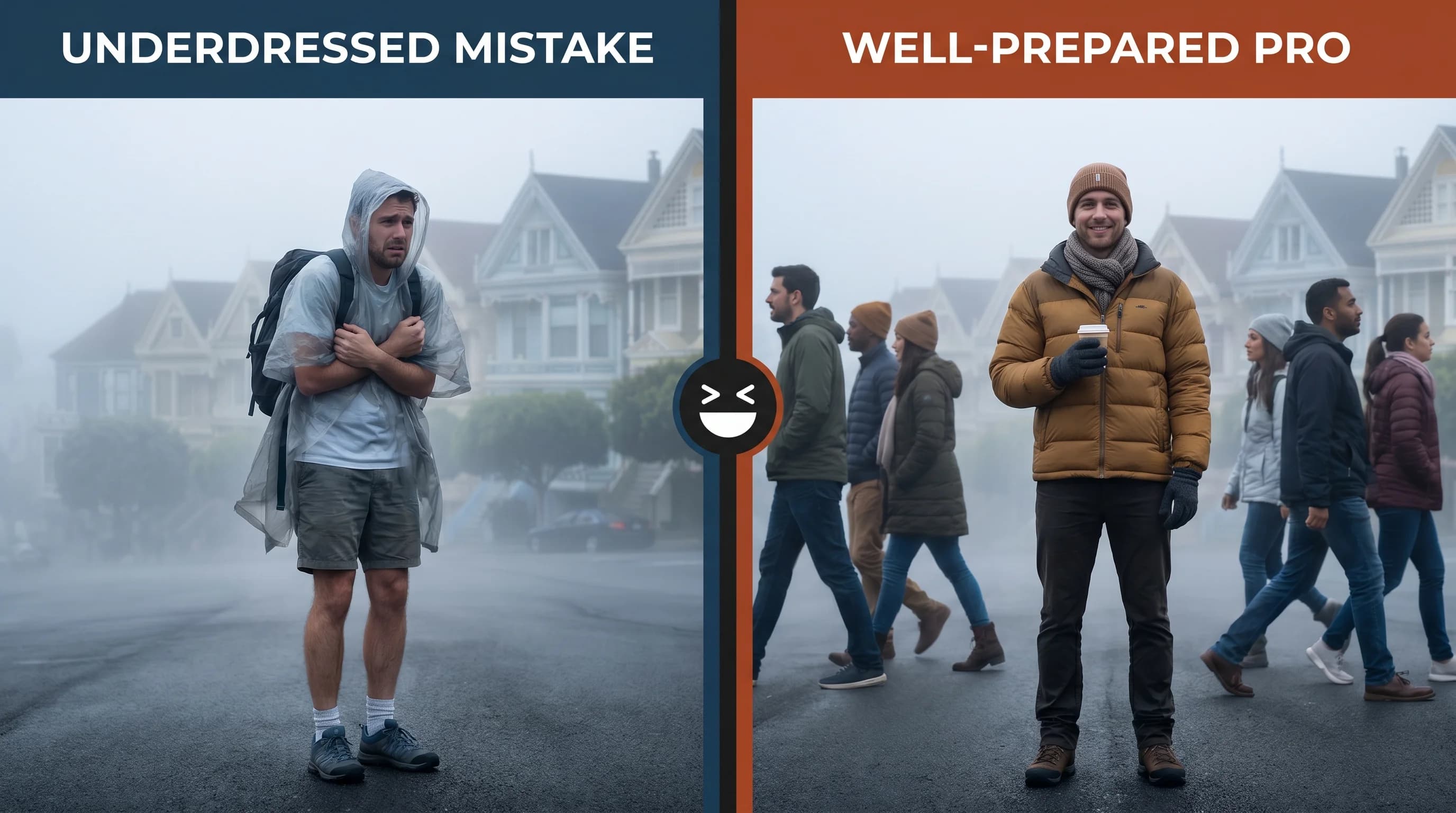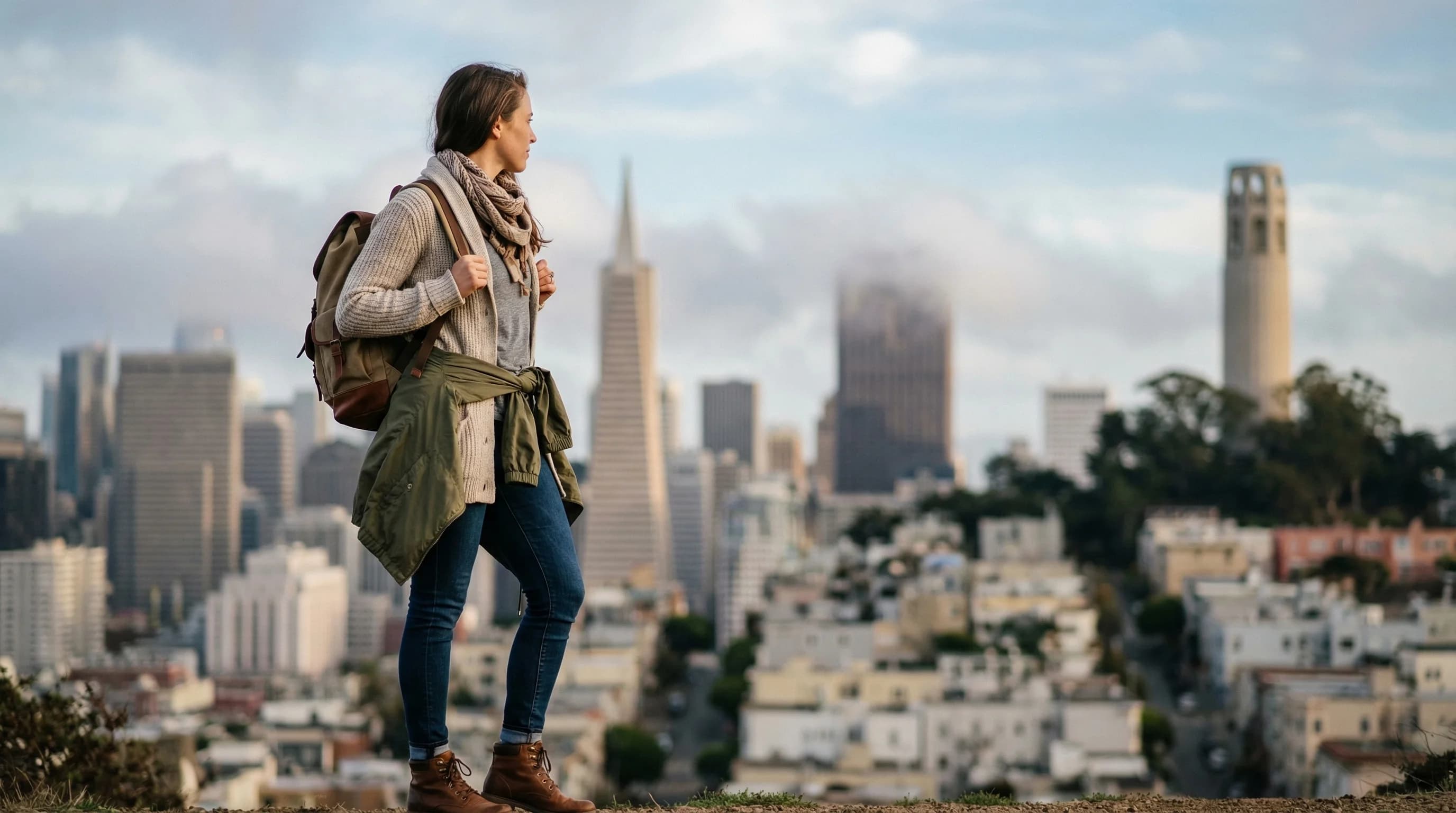
Packing for San Francisco is genuinely different from packing for anywhere else in the country, and most first-time visitors get it wrong. The city has a daily temperature cycle that swings 10 to 20 degrees from foggy morning to cleared afternoon to cool evening. A single outfit will leave you either sweating at noon or shivering at 5pm. The solution is not complicated, but it requires one conceptual shift: layers are not optional in San Francisco. They are the whole game, in every month of the year.
The One Rule That Governs All San Francisco Packing
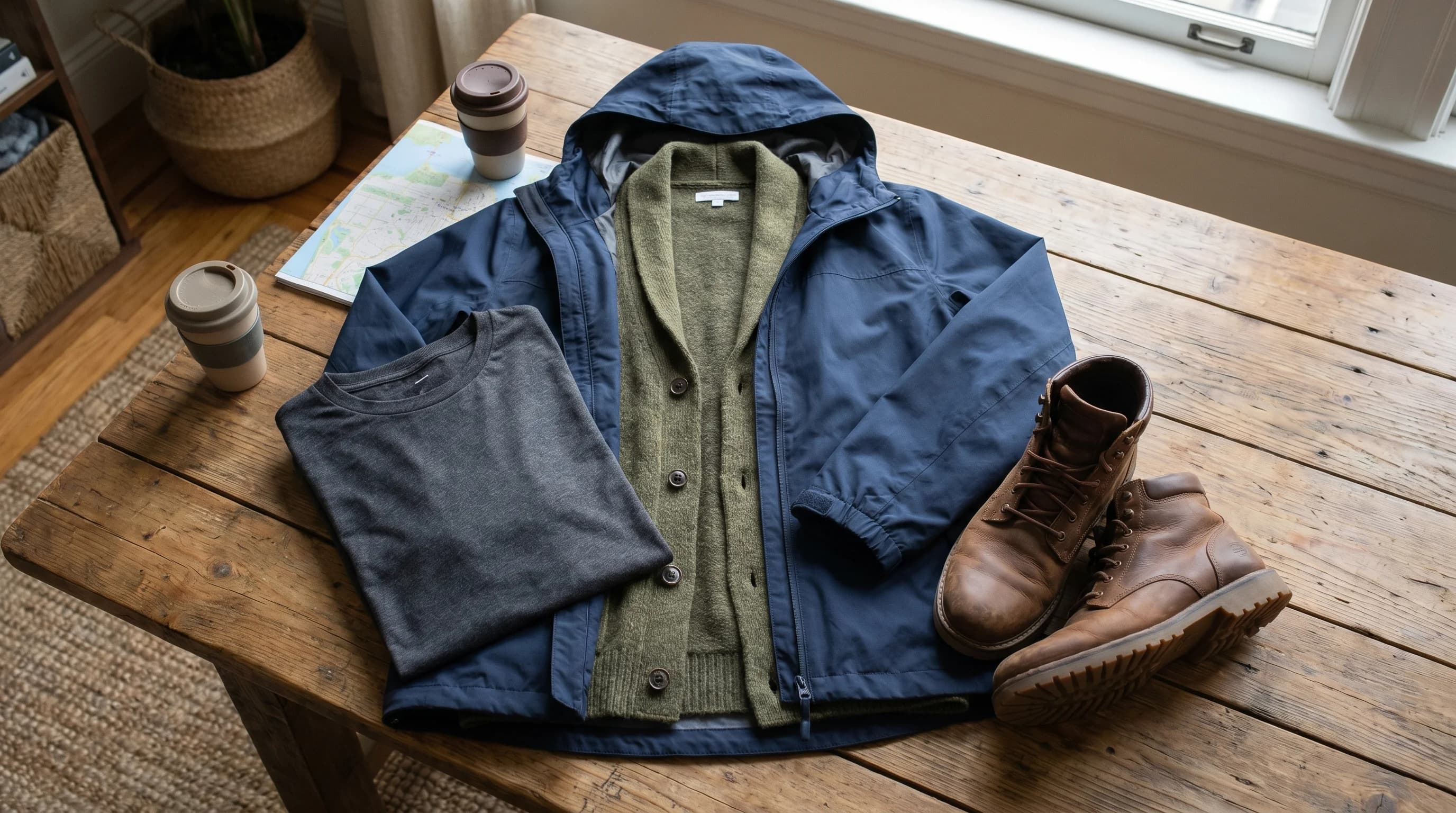
The system that works, regardless of season, is a three-layer approach. Base layer: a moisture-wicking or lightweight cotton t-shirt. Mid-layer: a cardigan, light sweater, or thin fleece for actual warmth. Outer layer: a windbreaker or rain jacket that handles the marine wind and occasional fog drizzle without being a bulky winter coat. The outer layer should be light enough to stuff into a bag or tie around your waist when you do not need it. The mid-layer should be removable when the afternoon clears and the temperature rises.
This system is what locals use. Not a heavy coat, not a beach outfit, not a parka. The three-layer approach handles a 55°F foggy morning and a 72°F sunny afternoon from the same bag. Once you understand this, the month-by-month specifics become simple adjustments rather than complete repacks.
Summer Packing (June-August): Fog-Ready Essentials
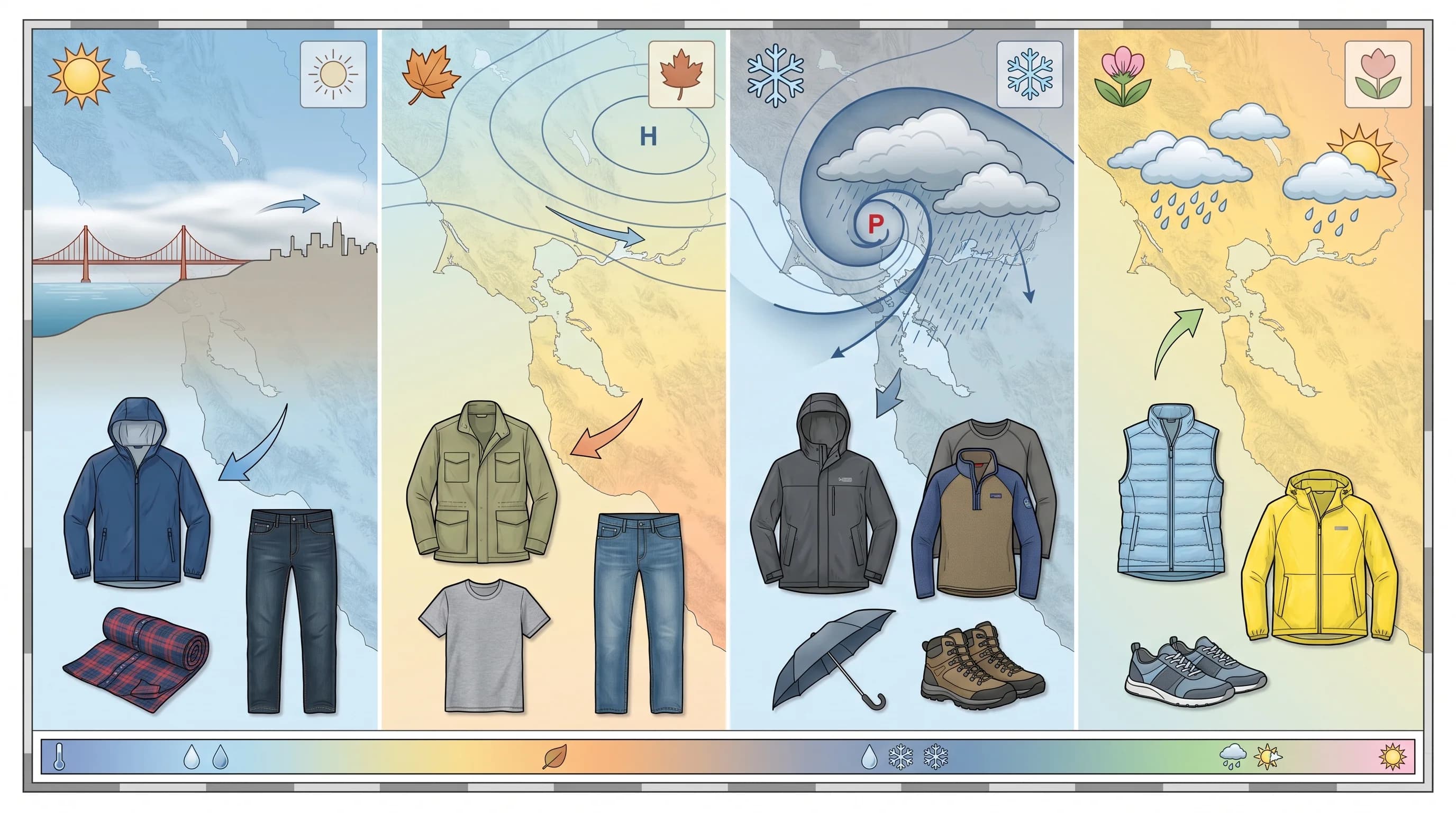
June, July, and August are the months that most surprise visitors, because the word “summer” implies warmth that San Francisco does not reliably deliver. The coast stays at 62 to 67°F. Mornings are often fogged in. Afternoons may clear but rarely get hot. Evenings cool down fast once the marine layer strengthens again.
For summer, the core kit is: lightweight t-shirt, a cardigan or light sweater, and a windbreaker. The windbreaker is the critical piece. A thin nylon jacket that fits in a bag is more useful in July San Francisco than any single other item of clothing. Add comfortable walking shoes you can genuinely walk five to ten miles in. This is a walking city and your feet will know it by day two. Bring sunscreen. UV penetrates fog and reflects off buildings and water. Sunglasses. A small daypack to carry the layers you strip off. What not to bring for summer: shorts as your primary plan, sleeveless tops expecting warmth, or a beach outfit with no backup.
Fall Packing (September-October): The Easy Season
September and October are the best months to visit San Francisco, and they are also the easiest to pack for. The city is at its warmest (70 to 75°F), least foggy, and most forgiving. The daily temperature swing is smaller. You can sometimes get away with just a t-shirt and light cardigan in the afternoon.
That said, do not abandon the layering principle entirely. Fall mornings are still cool (58 to 62°F) and the marine layer has not given up entirely. The formula is simply lighter: t-shirt plus light cardigan, with a very thin jacket available in the bag for morning and evening. Jeans or light pants, walking shoes, sunglasses. This is the most comfortable and least fussy packing the city allows. Take advantage of it.
Spring and Shoulder Season Packing (April-May, November)
April and May occupy the sweet spot between the rainy season and the full summer fog season. Temperatures run 60 to 70°F, cloud cover is variable, and rain is still possible (more so in April than May). The packing approach is the same layering system but with a light rain jacket replacing or augmenting the windbreaker. Something waterproof on the outside layer is worth having in April, even if it never rains during your trip.
November is a transitional month leaning toward winter. The rainy season is beginning, temperatures are dropping toward the low 60s during the day and upper 40s at night, and the fog frequency is different from summer but still present. Layers remain the right approach, but the outer layer should be a proper rain jacket rather than a light windbreaker. Hat and gloves are optional but useful for evenings.
Winter Packing (December-March): Rain-Ready and Warm
Winter in San Francisco is mild by most standards, with temperatures rarely dropping below 45°F even at night, but it is consistently rainy and damp from December through February. The rain is rarely dramatic, but it is frequent. A waterproof rain jacket is not optional in winter; it is the most important item you bring. Everything else can be adjusted with layers, but getting soaked in a non-waterproof jacket on a December afternoon is a miserable experience that undermines every other choice you made.
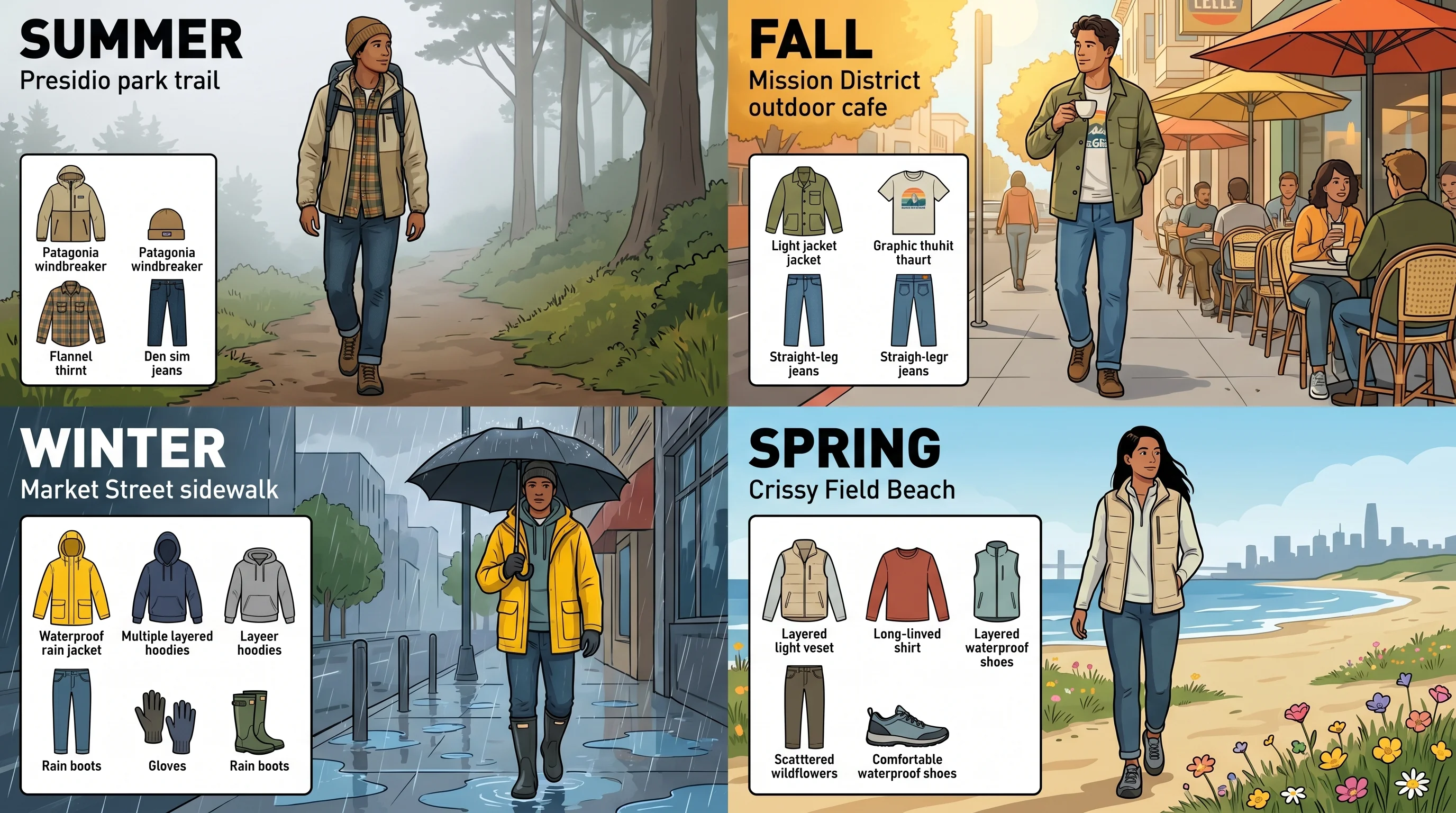
Winter kit: thermal base layer or long-sleeve shirt, medium-weight sweater or fleece, waterproof rain jacket. Closed-toe waterproof shoes or boots (wet streets are the norm, and puddles are plentiful). Hat and gloves for December and January. A waterproof bag or rain cover for your daypack. Extra socks are always a good idea when rain is in the forecast.
What Not to Pack (Common Tourist Mistakes)
Several packing choices come up again and again as regrets for first-time SF visitors. A heavy down coat or parka: unnecessary in any season, bulky to carry when you warm up indoors, and a clear sign that someone packed for a different city. Beach clothing with no backup: the Bay Area has beautiful beaches, but most of them are too cold for swimwear for most of the year. Sleeveless tops as the main plan for summer: you will be cold from the first morning. Formal dress clothes: San Francisco is one of the most casual major cities in the country. Jeans and a clean shirt will get you into almost anywhere that matters.
The one thing that almost no one regrets bringing is a comfortable, versatile, light jacket. It is the San Francisco universal constant. Every season, every neighborhood, every time of day, the jacket in the bag is the right call. Once you have internalized that, the rest of the packing decisions fall into place naturally.