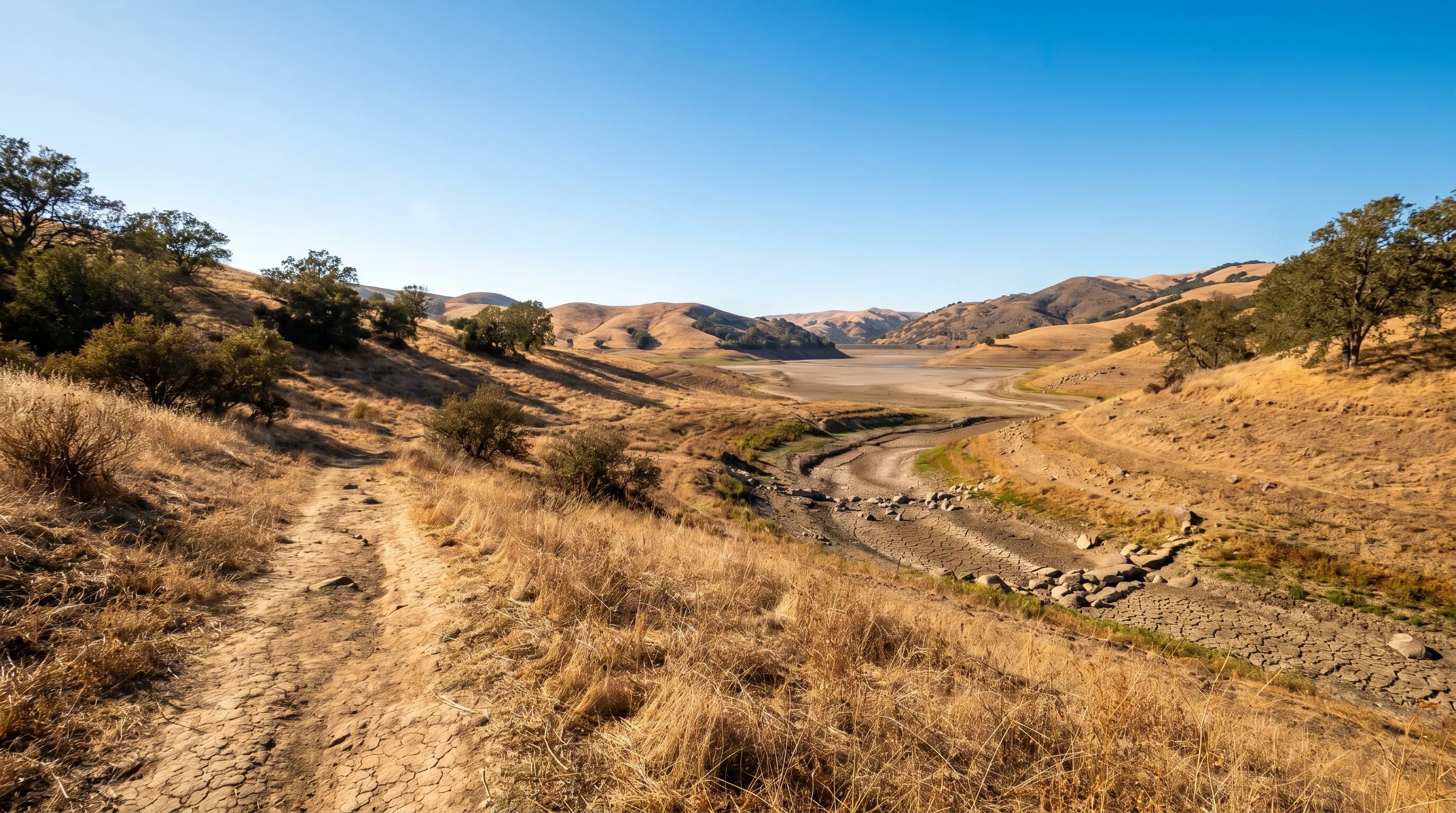
The Bay Area's dry season is one of the longest and most absolute in the continental United States. From roughly May through October, measurable rain is rare to nonexistent across the region. San Francisco averages a combined 0.4 inches from June through September. San Jose averages 0.1 inches. The hills above Oakland might see a stray drizzle, but functionally, the Bay Area goes five to six months without real rain every single year. When the dry season stretches into October, the question becomes urgent: when will it rain again?
When Does Rain Typically Return to the Bay Area?
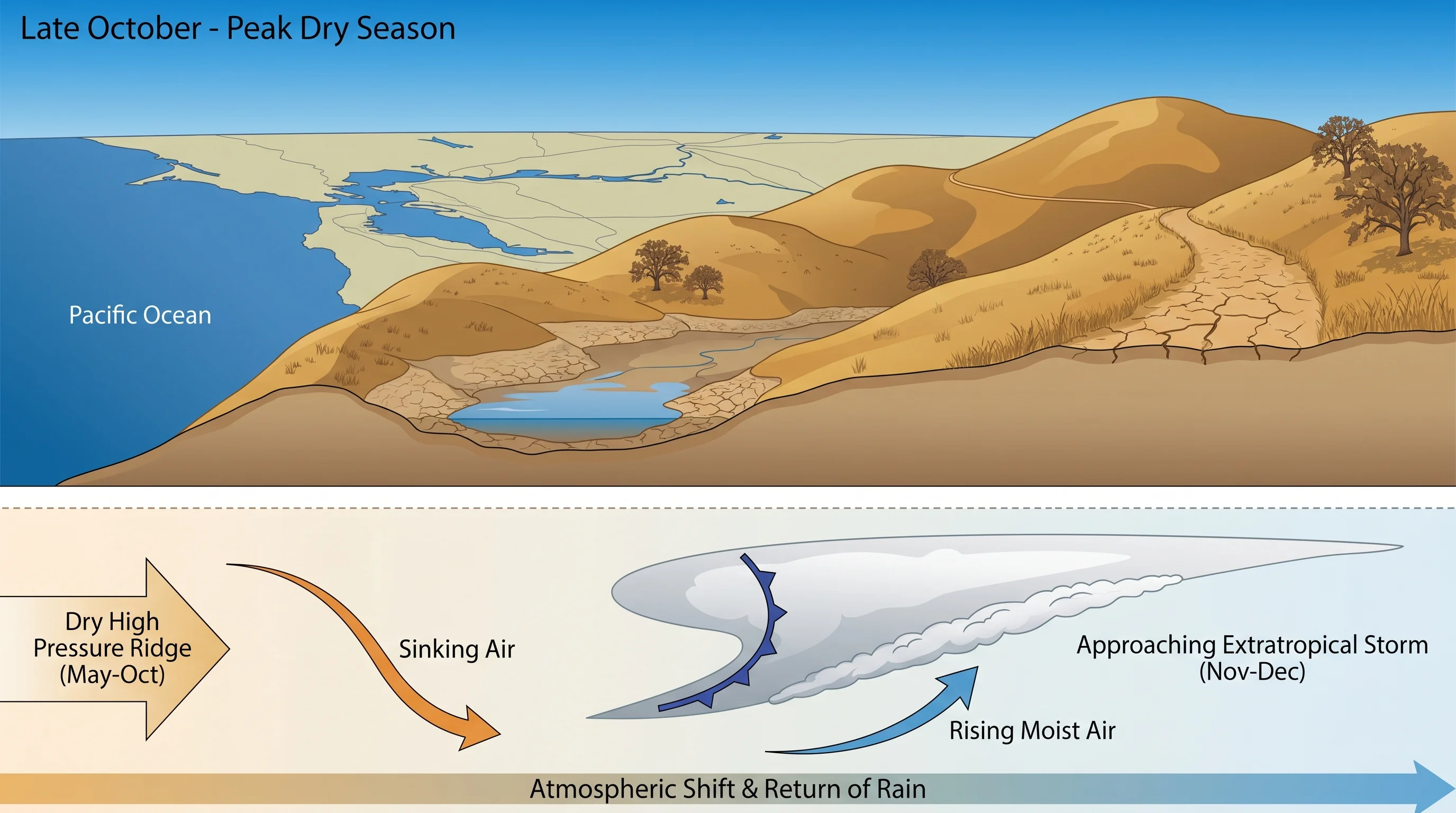
The first significant rain of the season usually arrives between mid-October and mid-November. The 30-year average for the first measurable rain at San Francisco downtown is October 24. Some years it comes earlier: 2021 saw a major atmospheric river on October 24 that dumped several inches across the region. Other years the dry season extends deep into November or even December. The 2013-14 season did not see its first significant storm until late December, contributing to the record drought.
The timing depends almost entirely on when the Pacific jet stream shifts south enough to steer storms into Central California. During summer, high pressure over the eastern Pacific (the so-called North Pacific High) deflects all storm systems north into Oregon, Washington, and British Columbia. As that high weakens in autumn, the storm door opens. In El Nino years, the jet stream tends to aim directly at California, bringing earlier and heavier first rains. In La Nina years, storms track farther north, and the Bay Area may wait weeks longer for its first soaking.
Why Does the First Rain Matter So Much?
The first rain after a long dry season is a significant event in Bay Area life, and not just emotionally. Five months without rain means hills are covered in dry grass, wildfire risk is at its peak, and the air carries dust and particulates. The first storm clears the air, knocks down fire danger, and begins the process of greening the landscape. It also creates driving hazards: oil and grime accumulated on roads over months of dry weather rise to the surface, making the first wet roads dangerously slippery. CHP consistently reports spikes in accidents during the first rain of the season.
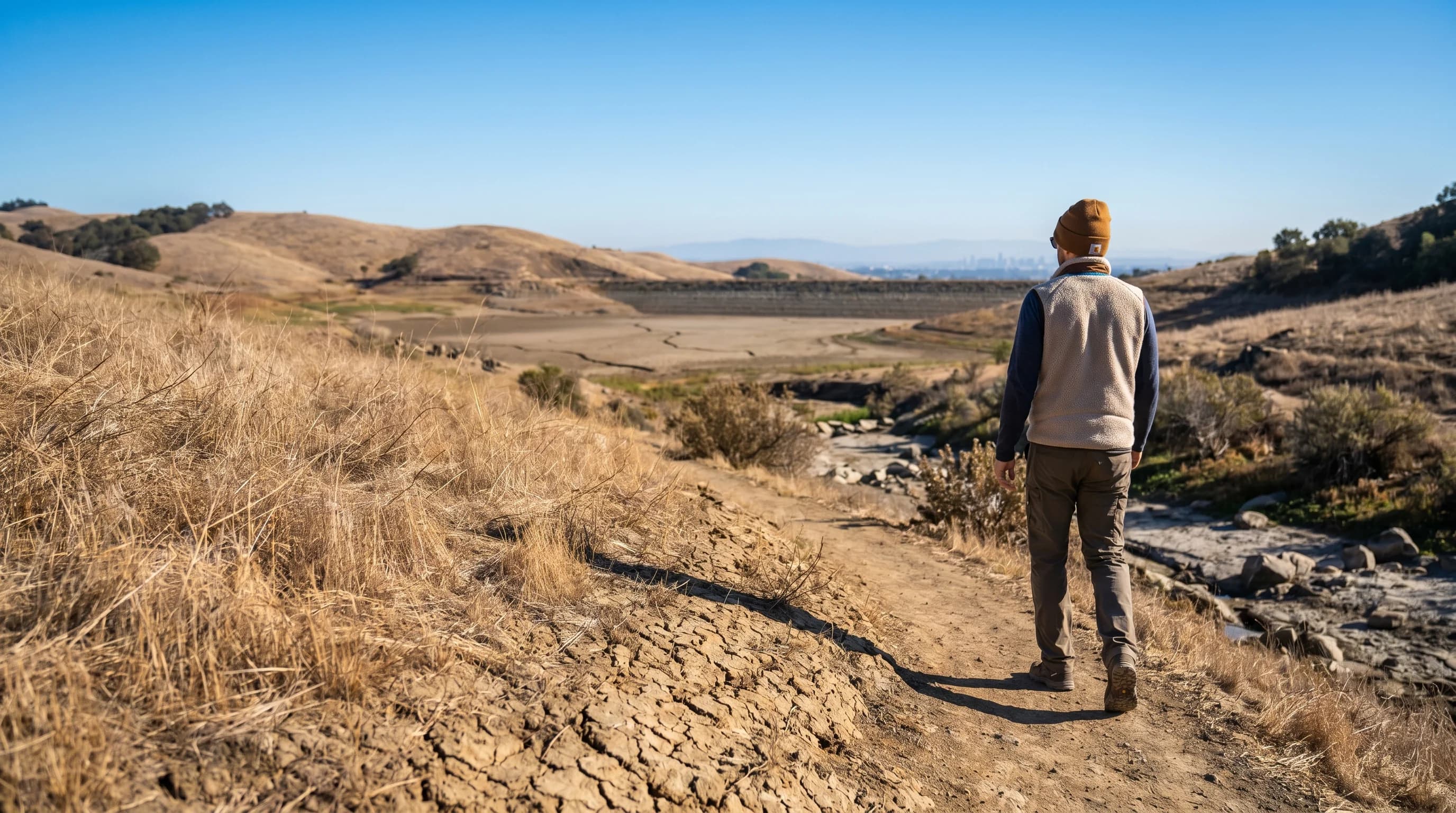
For water supply, the first rain is a starting gun. California\'s reservoirs depend almost entirely on November-through-March precipitation, and a late start to the wet season compresses the window for reservoir filling. The difference between a first storm in October versus December can mean billions of gallons of water supply difference by spring.
How Can You Track When Rain Is Coming?
The NWS San Francisco Bay Area office issues forecasts that extend seven days out, and those forecasts become reasonably accurate for rain timing about four to five days before a storm. For longer-range outlooks, the Climate Prediction Center issues 6-10 day and 8-14 day precipitation probability forecasts that show whether the pattern is trending wetter or drier than average.
The most reliable signal for incoming Bay Area rain is the position of the jet stream and the presence of atmospheric rivers in the eastern Pacific. When satellite imagery shows a plume of tropical moisture extending from near Hawaii toward the California coast, rain is typically two to four days away. These atmospheric river events deliver the majority of the Bay Area's annual rainfall and are the storms most likely to end a dry spell decisively.
Can It Rain During the Bay Area Dry Season?
Technically yes, but it is rare and usually insignificant. A handful of years have seen measurable summer rain in San Francisco, usually from a stray low-pressure system or monsoonal moisture that drifts west from Arizona. July 2015 saw a rare summer thunderstorm that dropped 0.01 inches on parts of the East Bay. These events are meteorological curiosities, not meaningful precipitation. For practical purposes, June through September is dry every year, and the real question is always whether October or November will bring the first real storm.
The Bay Area's binary wet-dry cycle is a defining feature of its Mediterranean climate. Unlike the East Coast, where rain falls somewhat evenly across all twelve months, the Bay Area concentrates nearly its entire annual water budget into five months. This means the answer to "when will it rain again" is always the same general answer: when the jet stream shifts south and the Pacific storm track reconnects with California, usually sometime between mid-October and mid-November. The exact date changes every year, but the pattern is as reliable as anything in weather.