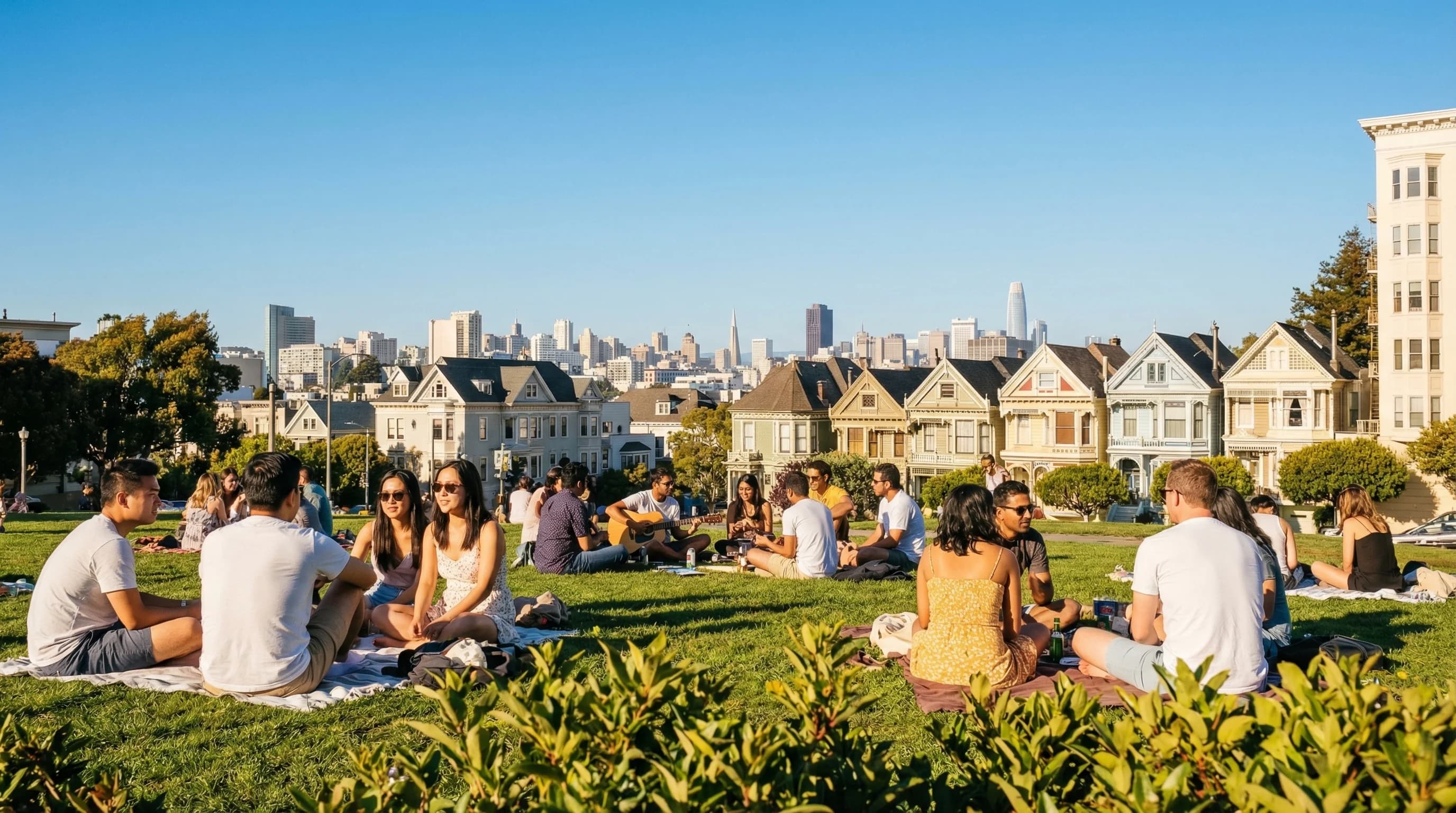
The most common piece of advice given to first-time visitors to San Francisco is this: summer is not the best time to go. The advice is correct but requires explanation, because summer sounds like the obvious choice for California travel and the reality of San Francisco's summer climate surprises most visitors. July in San Francisco is frequently cold, foggy, and windy, conditions that can make outdoor sightseeing miserable for people who packed for warm weather. The months that offer the best combination of sunshine, warm temperatures, and low fog probability are September and October, sometimes extending into early November. If you hate fog and want the best odds of a warm, clear San Francisco visit, that is the window to target.
Why Summer Is the Foggiest Season
San Francisco's summer fog is a counterintuitive feature of its climate that catches many visitors off guard. Most destinations get sunnier in summer. San Francisco gets foggier. The mechanism is the North Pacific High: the high-pressure system sits offshore and drives cool, moist air from the Pacific through the Golden Gate and across the city. Simultaneously, intense heating of California's interior valleys creates low pressure inland, strengthening the pressure gradient that pulls ocean air onshore. Summer is the peak season for both of these forces, which is why June, July, and August are the foggiest months of the year for San Francisco's western and central neighborhoods.
The summer fog pattern is so reliable and so specific to San Francisco that it has a nickname, Karl the Fog, and a large social media following. But for visitors who came expecting California sunshine, the reality of July fog at 55 degrees Fahrenheit with 25-mph afternoon winds is genuinely disappointing. The best neighborhoods for escaping the summer fog within the city are the Mission District and Potrero Hill, which sit in the fog shadow of Twin Peaks. But even on a warm Mission afternoon, the western neighborhoods are being hammered.
September and October: The Fog-Free Window
September marks the beginning of the Bay Area's most pleasant season. The North Pacific High weakens, the pressure gradient driving onshore flow relaxes, and the marine layer pulls back. Average fog frequency in San Francisco drops noticeably from August to September, and by October, the city experiences its clearest, warmest, and most consistently sunny days of the year.
October average highs in San Francisco run around 64 to 67 degrees Fahrenheit, several degrees warmer than July. More importantly, the character of October days is different: more often clear and sunny from morning, rather than foggy until noon. The afternoon winds that make summer outdoor activities unpleasant moderate as well. A warm October day in San Francisco, with blue sky and 68 degrees in the afternoon, is exactly the weather that California postcards promise but that July rarely delivers.
Late September through early November gives you the best odds of the San Francisco experience most people envision. No guarantees, the Bay Area has fog in fall too, and the first winter storms can arrive in October, but the probability distribution is strongly in your favor compared to the peak summer months.
Spring: A Secondary Option
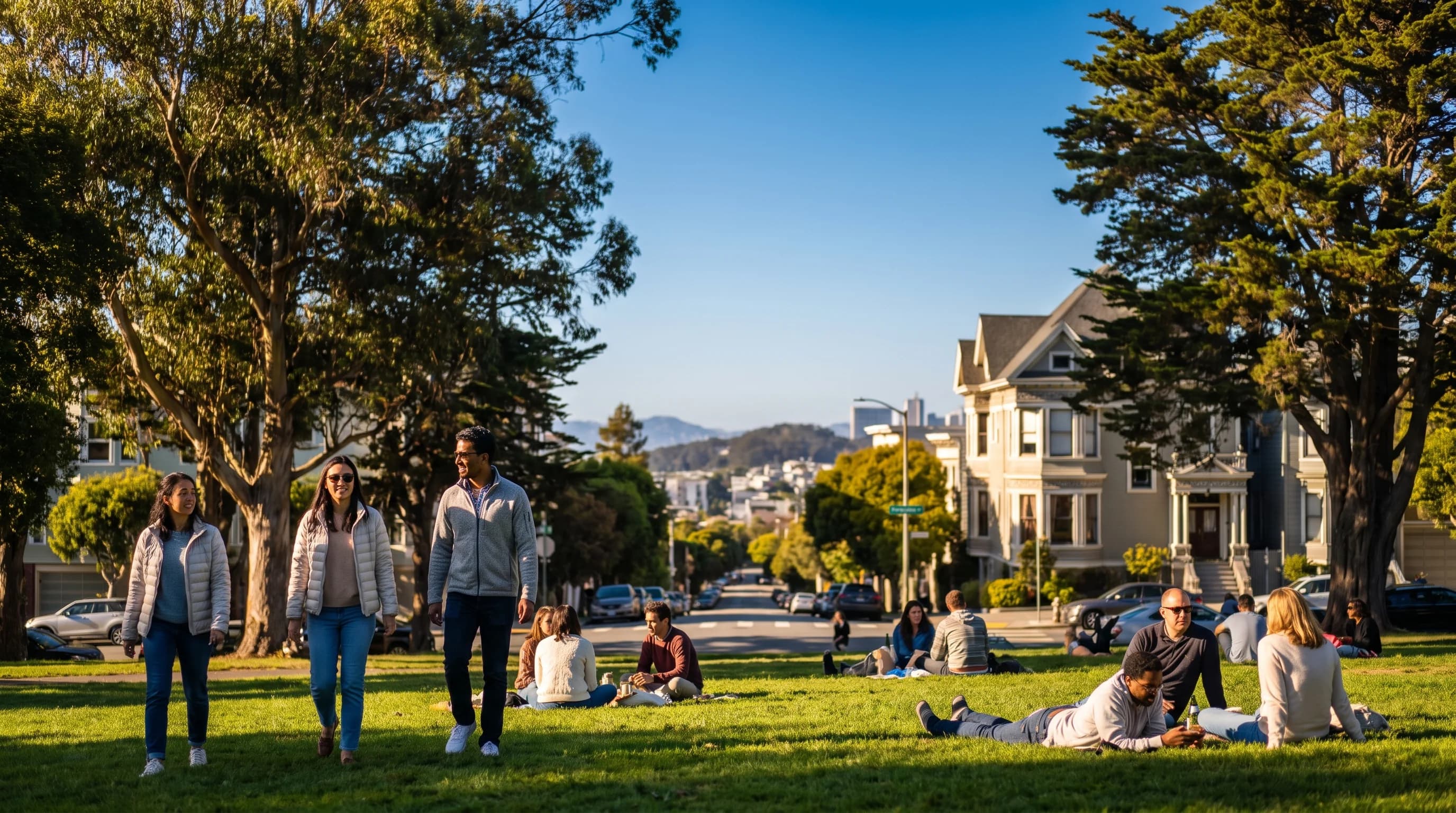
April and May offer a secondary window of relatively clear weather before the summer fog machine kicks into gear. The winter storm season has typically ended by April, and the North Pacific High has not yet built to its summer position. This in-between period can produce stretches of clear, mild weather; Bay Area spring at its best looks like gentle sunshine, green hills from winter rains, and temperatures in the low to mid-60s Fahrenheit. It is not as reliably warm as October, and the fog can return at any time, but April and May are genuinely pleasant months for visiting the city.
The challenge with spring is unpredictability. May can bring beautiful weather or a late-season storm and persistent fog. The transition from winter to summer is less predictable than the fall transition from summer to Indian summer. For a visit where weather reliability matters, fall remains the better bet.
What to Expect by Month
January and February bring the most rain; storm systems pass through regularly, though the Bay Area rarely experiences sustained severe weather. March is transitional, often with alternating rain and sun. April and May can be excellent if you're lucky with the weather window. June through August are the foggiest months for the western half of the city, though the Mission and Castro neighborhoods offer warmth on most days. September transitions toward fall clarity. October is the peak month for visitors who want minimal fog. November is the beginning of the rainy season; the first winter storms can arrive at any time, though warm Indian summer conditions sometimes persist into early November.
One last consideration: San Francisco's neighborhoods vary so much within the city that neighborhood selection matters as much as month selection. If you are visiting in July and staying in the Mission, you will have a much warmer, sunnier experience than if you are staying in the Outer Sunset. The city's microclimate variation gives visitors in the "wrong" season some ability to self-select into the warmer end of the city's spectrum.