microclimatesdestinationsclimate science

Altamont Pass Weather: Windiest Bay Area Location

By SFBayWeather||Updated |6 min read
Altamont Pass Weather: Windiest Bay Area Location

Key Takeaways

  • The Altamont Pass is one of the windiest mountain passes in the United States, driven by the temperature and pressure gradient between the cool Bay Area and the hot Central Valley.
  • Summer winds regularly sustain at 30-40 mph for hours at a time, peaking on July afternoons when the Bay-Valley temperature differential is greatest.
  • Over 4,500 wind turbines have operated at Altamont since the 1980s, making it one of California's most important wind energy installations.
  • High-profile vehicles such as RVs, trucks, and cars with roof racks face significant crosswind hazards on I-580 through the pass; Caltrans issues advisories on peak wind days.
  • The pass's wind energy production and bird mortality controversy have made Altamont a national reference point for balancing renewable energy and wildlife protection.

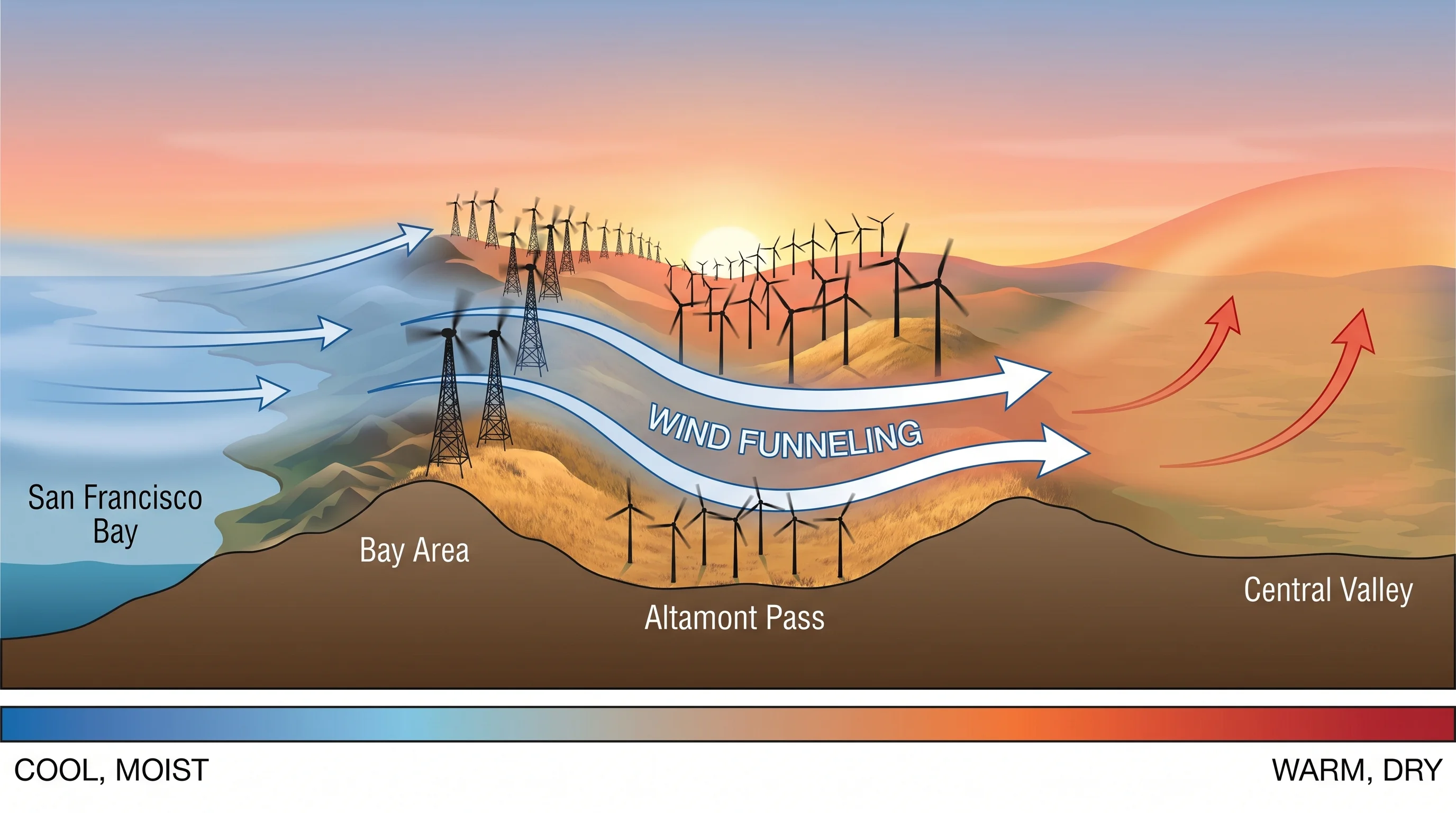
The Altamont Pass cuts through the Diablo Range east of Livermore, connecting the Bay Area to the Central Valley through one of the windiest mountain passes in the United States. On a summer afternoon, the wind at Altamont can sustain at 30 to 40 miles per hour for hours at a time, and the hillsides bristle with thousands of wind turbines that have operated here since the 1980s. The pass earned its wind energy infrastructure for the same reason it earned a reputation among Bay Area drivers: the gap in the Diablo Range is a natural wind funnel, and the pressure gradient between the hot Central Valley and the cooler Bay Area is at its strongest every summer afternoon, driving a consistent, powerful westerly wind through the gap.

Why Altamont Is So Windy

The physics are straightforward. During summer days, the Central Valley heats to 100 degrees or more, creating a thermal low that sucks air from the Bay Area eastward through every gap in the coastal ranges. The Altamont Pass is one of the most important of these gaps, a relatively low saddle at around 1,200 feet that channels the marine air from the Bay through a narrowing passage. As air flows through the constriction, it accelerates, the same principle that makes wind gusts around building corners stronger than the ambient wind. The result is a pass where the wind speed regularly exceeds the surrounding open-range wind speed by 30 to 50 percent.

The gradient is sharpest in summer and weakest in winter. On a July afternoon when San Francisco is at 65 degrees and the Central Valley is at 105, the temperature difference drives intense onshore flow that peaks at the Altamont. On a January day when both the Bay and the Valley are at 55 degrees, the gradient disappears and Altamont can be nearly calm. Seasonal wind at Altamont is not just meteorologically significant; it is one of the strongest and most predictable wind resources anywhere in California.
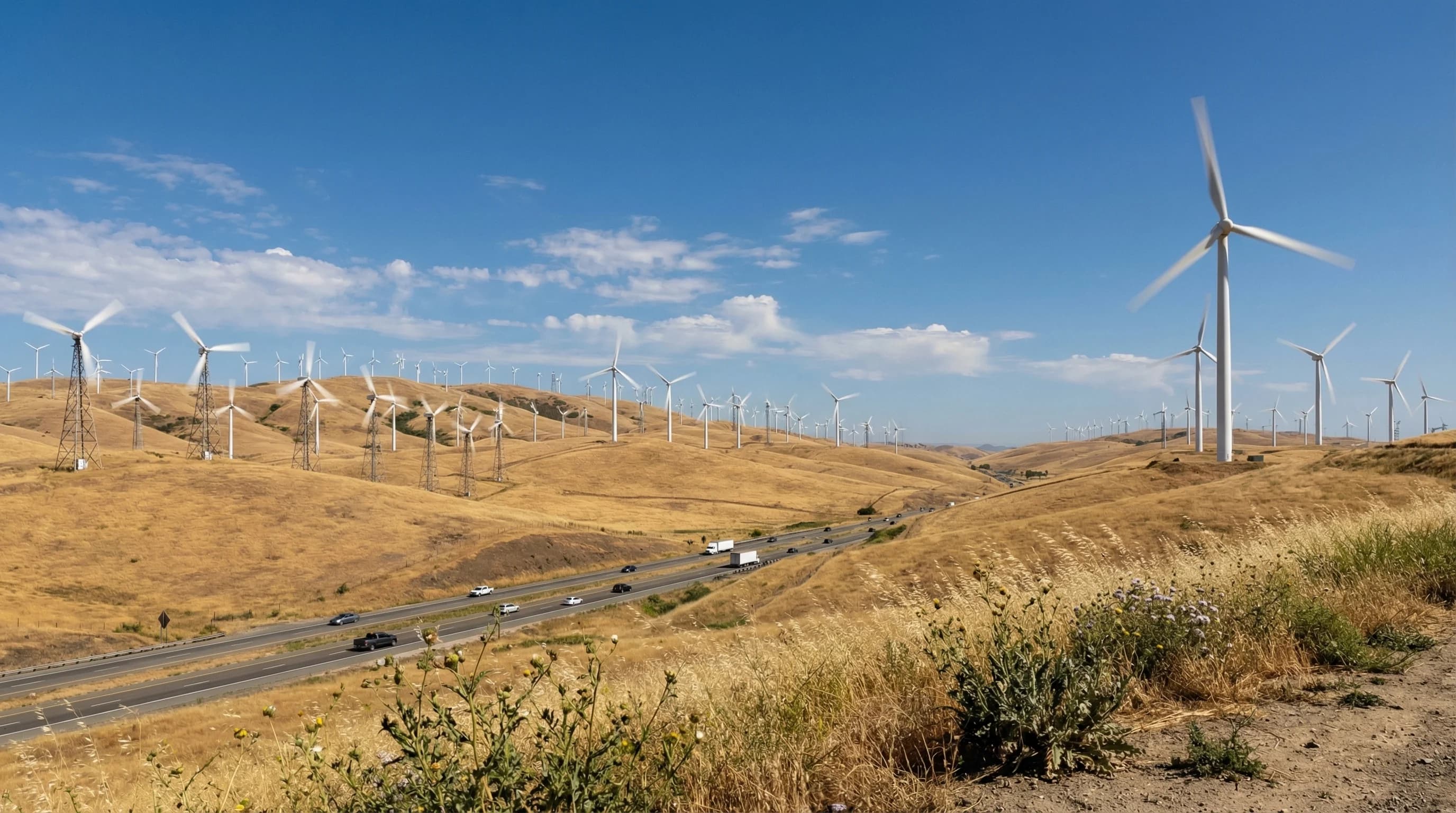
Altamont Pass wind farm with thousands of wind turbines on golden dry hills, strong westerly wind visible in the grass, blue sky with a few clouds
The Altamont Pass wind farm, one of the oldest in the United States, owes its existence to one of the most consistent and powerful wind resources in North America, driven by the pressure gradient between the hot Central Valley and the cool Bay Area.

The Altamont Driving Experience

Drivers on Interstate 580 through the Altamont Pass encounter the wind in multiple ways. High-profile vehicles, RVs, large trucks, cars with roof racks and kayaks, experience significant crosswind buffeting on the exposed sections of the pass. On the strongest wind days, Caltrans posts warnings for high-profile vehicle restrictions on I-580 and the parallel Highway 84. The crosswinds are not merely uncomfortable; they have contributed to rollover accidents involving trucks and RVs on the most exposed sections.
Scientific illustration explaining Altamont Pass Weather: Windiest Bay Area Location

The westbound drive from the Central Valley into the Bay Area through Altamont in summer is a memorable experience for anyone unfamiliar with it. The temperature drop is rapid and the wind hits immediately as you crest the pass. A car that left Stockton at 100 degrees can arrive in Livermore, just 15 miles west of the pass summit, at 85 degrees, and the wind is immediately apparent through the slightly open window or the effort required to open the car door against the pressure. The Altamont is the most visceral demonstration in the Bay Area of the temperature and pressure gradient that drives the regional wind pattern.

Wind Turbines and Bird Mortality

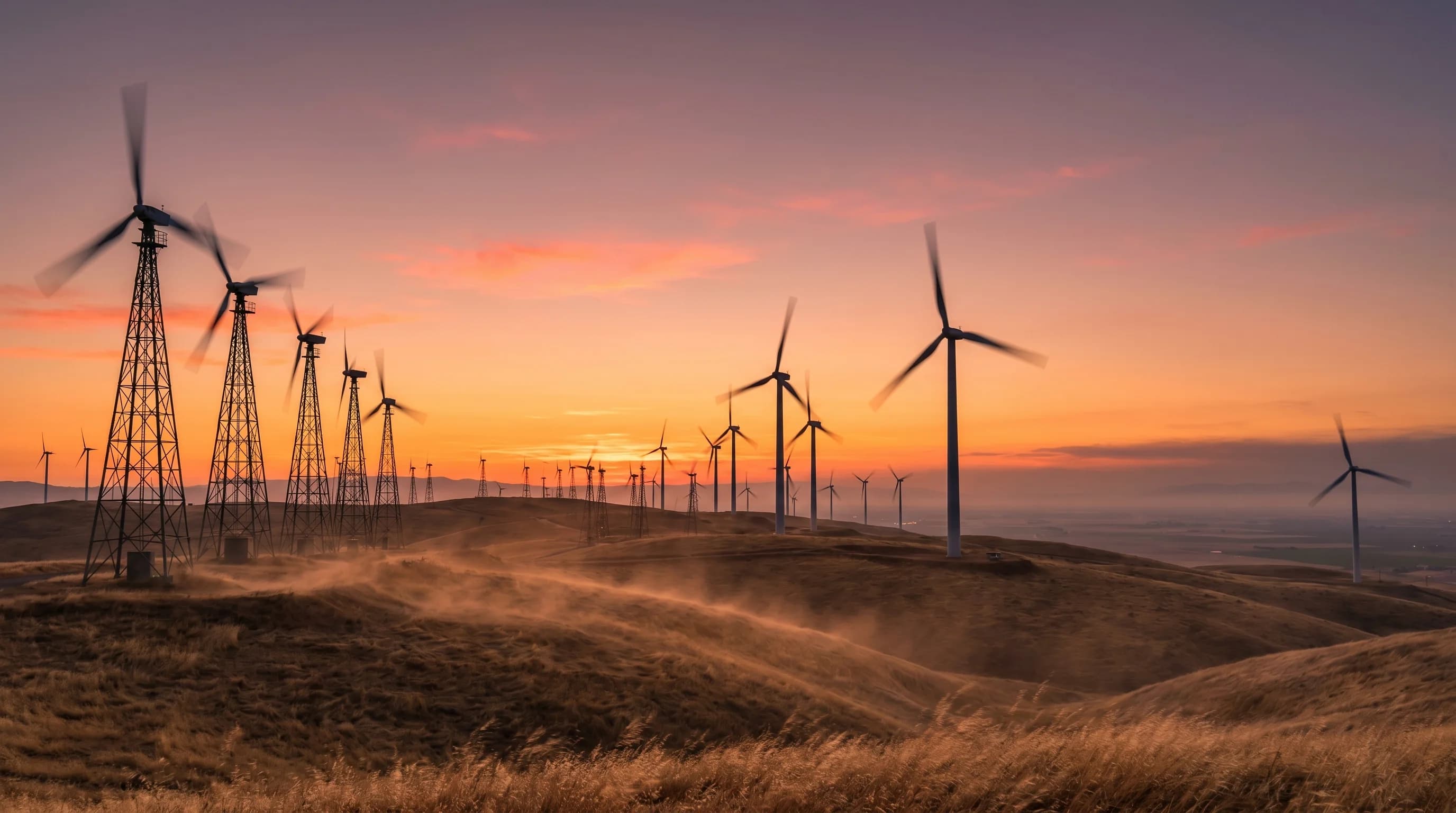
The Altamont Pass wind farm has been the subject of significant environmental controversy since the 1990s, when researchers documented unusually high mortality rates for raptors, including studies tracked by the U.S. Fish and Wildlife Service, particularly golden eagles, red-tailed hawks, and American kestrels. The combination of high turbine density, older turbine designs with slow-moving lattice towers that birds use as perches, and the pass's position along a major raptor migration route has produced an ongoing conflict between renewable energy generation and wildlife protection.

The turbine fleet has been substantially modernized since 2005, with older small turbines replaced by larger, slower-turning models with tubular towers that are less attractive to perching birds. The bird mortality rate has declined significantly, though environmental advocates continue to press for further improvements. The Altamont case has become a reference point nationally for the challenge of siting wind energy in wildlife-sensitive areas, and the pass's complex meteorology and ecology continue to be studied as renewable energy development expands across the state.

Frequently Asked Questions

Why is Altamont Pass so windy?

The Altamont Pass sits in a gap in the Diablo Range between the Bay Area and the Central Valley. In summer, the Central Valley heats to 100°F or more, creating a low-pressure zone that draws cool Bay Area air eastward through every gap in the coastal ranges. The Altamont is one of the most significant of these gaps, and as air flows through the narrowing passage, it accelerates, regularly reaching 30-40 mph sustained for hours on strong summer afternoons.

Is it dangerous to drive through Altamont Pass?

For standard passenger cars, no. For high-profile vehicles such as RVs, large trucks, cars with roof racks, kayaks, or cargo boxes, crosswinds can be significant and require active steering correction. Caltrans posts high-profile vehicle advisories and speed restrictions on I-580 on the strongest wind days. The most exposed sections of the pass have contributed to rollover accidents involving trucks and RVs, so high-profile vehicle operators should check conditions before driving.

How many wind turbines are at Altamont Pass?

Over 4,500 wind turbines operate at the Altamont Pass Wind Resource Area, making it one of the largest wind farms in the United States. The fleet has been substantially modernized since 2005, replacing older small turbines with larger, slower-turning models. The Altamont turbines have operated since the 1980s and remain one of California's most productive wind energy installations, powered by the consistent summer pressure gradient between the Bay Area and the Central Valley.

When is Altamont Pass windiest?

The pass is windiest on summer afternoons from May through September, with July and August typically seeing the strongest and most sustained winds. On the most extreme days, sustained speeds reach 40-50 mph. The sea breeze cycle explains the timing: as the Central Valley heats through the morning, the pressure gradient builds, and by early afternoon the flow through the pass is at its strongest. Winds typically diminish after sunset as the valley cools. Winter months see moderate winds associated with storm systems but lack the sustained thermal-driven flow of summer.

Does Altamont Pass have a significant bird mortality problem?

Yes. Altamont's original turbine fleet; thousands of small, fast-spinning machines on lattice towers; caused significant raptor mortality, particularly golden eagles, red-tailed hawks, and burrowing owls. The combination of high raptor habitat value (the surrounding grasslands support prey species) and dense turbine placement created a documented bird strike problem that made Altamont a national reference case in wind energy and wildlife debates. Turbine repowering since 2005 has replaced older small turbines with fewer, larger models that spin more slowly, reducing (though not eliminating) bird strike rates.

Live Bay Area Conditions

Compare fog, temperature, wind, and comfort across the map.

See which microclimates are clear, cool, windy, or warming up right now.

Open the Weather Map
🔒Privacy Policy📄Terms of Service